This blog explains how risk management in healthcare helps hospitals and healthcare organizations identify, assess, and reduce risks. It covers common healthcare risks, practical risk management strategies, and how organizations can take a more proactive approach to protecting patients and their operations.
Key Takeaways
✅ Identify and assess risks before they lead to patient safety, compliance, financial, or operational problems.
✅ Effective risk management in healthcare requires regular assessments, incident reporting, monitoring, and communication across departments.
✅ Frameworks like FAIR can help healthcare organizations better understand risk and prioritize where to invest resources.
Who Should Read This?
This guide is ideal for healthcare leaders, compliance teams, risk managers, and other professionals responsible for patient safety or organizational risk. It’s especially useful if you’re looking for a more structured and proactive way to identify, prioritize, and manage healthcare risks.
According to The National Library of Medicine, 98,000 people die in any given year from medical errors in hospitals.
Hospitals and healthcare organizations manage all kinds of risks every day. From medication errors and patient safety incidents to compliance violations. There's also cybersecurity threats, operational disruptions, and financial exposure.
These risks can affect both patient care and the organization itself. If a hospital doesn't address these risk factors, things can get deadly. At the very least, you're looking at financial penalties.
Healthcare risk management needs to be more than a response to individual incidents. Effective risk management in healthcare is an ongoing process. It includes:
Identifying potential risks.
Assessing their likelihood and impact.
Implementing controls to mitigate risk.
Monitoring whether those controls are working.
Modern healthcare organizations are moving away from managing risks in isolated departments. Now, they are leaning toward more integrated approaches. They consider how clinical, operational, regulatory, and other risks can affect one another.
Today, we are diving into the subject of risk management in the healthcare system. What it is, why it's important, and how to properly implement a robust strategy.
What Is Risk Management in Healthcare?
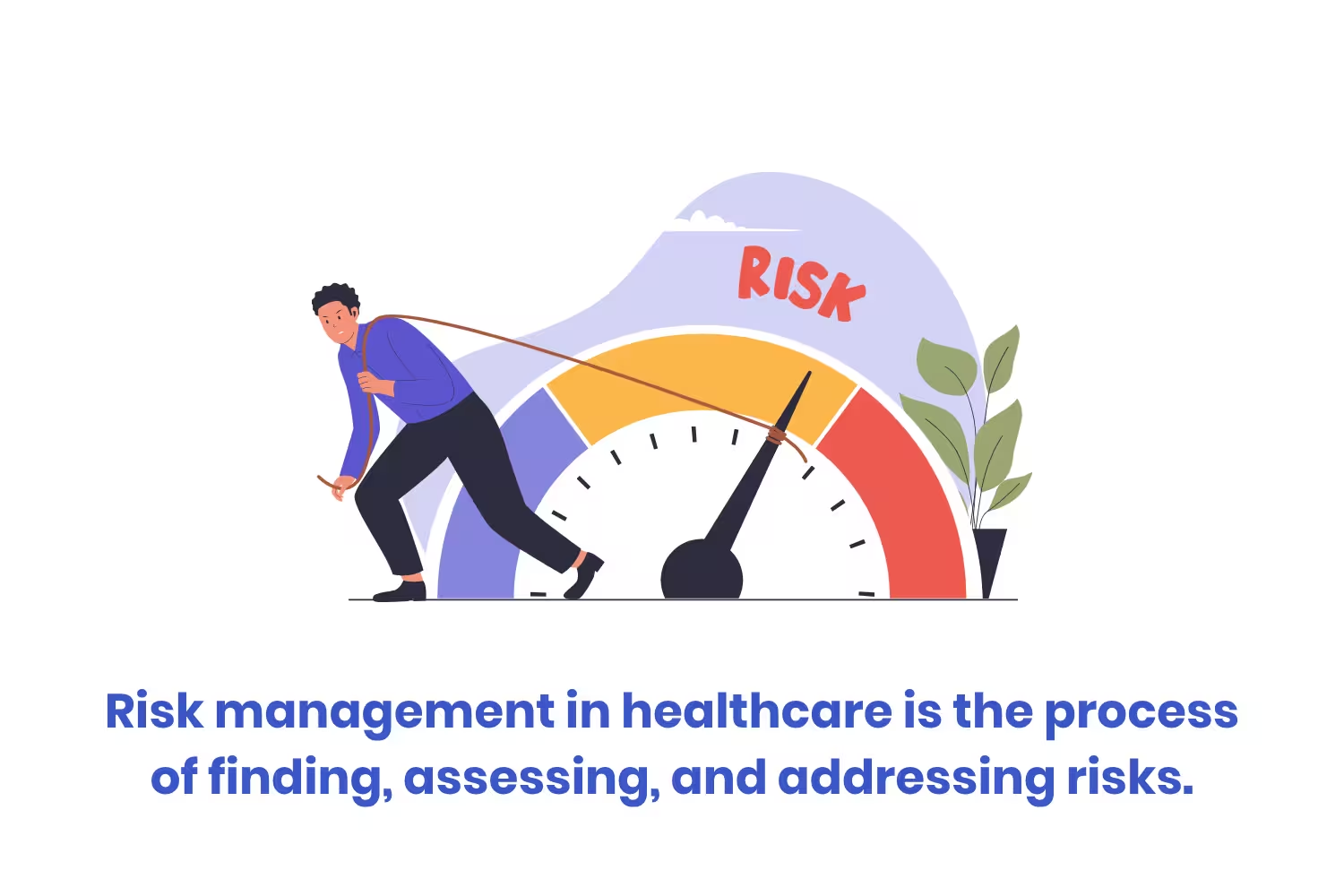
Risk management in healthcare is the process of finding, assessing, and addressing risks. The ones that specifically affect those organizations in the healthcare industry. It is a set of clinical and administrative systems, procedures, and reporting structures. All designed to detect, monitor, assess, mitigate, and prevent risks.
These risks can come from many areas. They may affect patients, employees, healthcare providers, or the organization itself. A healthcare risk manager helps coordinate this work. But risk management is not the responsibility of one person or department. It involves teams across the organization.
The goal is simple: identify risks, manage risks, and reduce their potential impact.
Why Risk Management Matters for Healthcare Organizations
Patient safety is one of the most important parts of healthcare risk management.
Hospitals deal with many situations that can affect patient care. Risk management helps healthcare organizations look for ways to improve patient safety. Especially before an incident occurs.
It also helps organizations learn from adverse events when they do happen. The goal is not simply to find someone to blame. It is to understand what happened and determine how the system can be improved.
Compliance in Hospitals and Patient Safety
Healthcare compliance plays an important role in patient safety. Hospitals must follow federal and state regulations, accreditation standards, and internal policies. These requirements help create consistent processes for patient care. One of the most common examples of this is the Health Insurance Portability and Accountability Act (HIPAA).
Compliance issues can also create healthcare risk. They can expose a hospital to financial and legal consequences. Issues might include poor documentation, privacy violations, and failure to follow required procedures.
This is why compliance should be part of a broader risk management program. Hospitals need to understand where compliance gaps exist. Then take action before they lead to larger problems.
Patient safety is another key part of this process. Hospitals can review incidents, near misses, and other safety data to find areas that need improvement. These findings can lead to corrective action, updated policies, or additional employee training.
A strong approach connects healthcare compliance, risk management, and patient safety. So you don't have to treat them as separate responsibilities.
Risk Identification in Healthcare
Risk identification is an important part of the risk management process. Healthcare organizations need to understand what could go wrong. This is especially true before they can take steps to prevent or reduce the impact.
There are many types of risk in a hospital setting. Some are directly related to patient care. Others can affect daily operations, employees, technology, finances, or compliance.
Common risks include:
Medication errors
Patient falls
Infections
Equipment failures
Data breaches
Staffing issues
Communication problems
Regulatory violations
System outages
Once you identify a risk, a risk assessment can help determine its likelihood. It can also reveal the potential impact. This gives healthcare leaders a better understanding of their risk exposure.
Risk identification should involve both clinical risk management and operational teams. Different departments may experience different risks. Bringing these perspectives together can help healthcare organizations mitigate risks. Creating a holistic approach to compliance before they negatively affect the patient experience.
What Are Some Risk Management Strategies for Hospitals?
Hospitals need a clear approach and a solid risk management plan. The right strategies can help manage risks and support better patient outcomes. Let's take a look at some of these best practices.
1. Establish a Formal Risk Management Framework
Establishing a formal framework gives hospitals a consistent risk management approach.
Create clear management policies, responsibilities, reporting processes, and escalation procedures. Employees should understand their role in identifying and addressing each risk.
A formal framework can also help connect clinical and administrative teams. This creates a more connected risk management program across the organization.
2. Conduct Regular Risk Assessments
Don't wait for an incident before looking for vulnerabilities.
Regular risk assessments help healthcare organizations find changes that could create new risks. This is important as hospitals adopt new technology and face new regulatory requirements.
Assessments can also help organizations determine which risks require the most attention.
3. Encourage Incident and Near-Miss Reporting
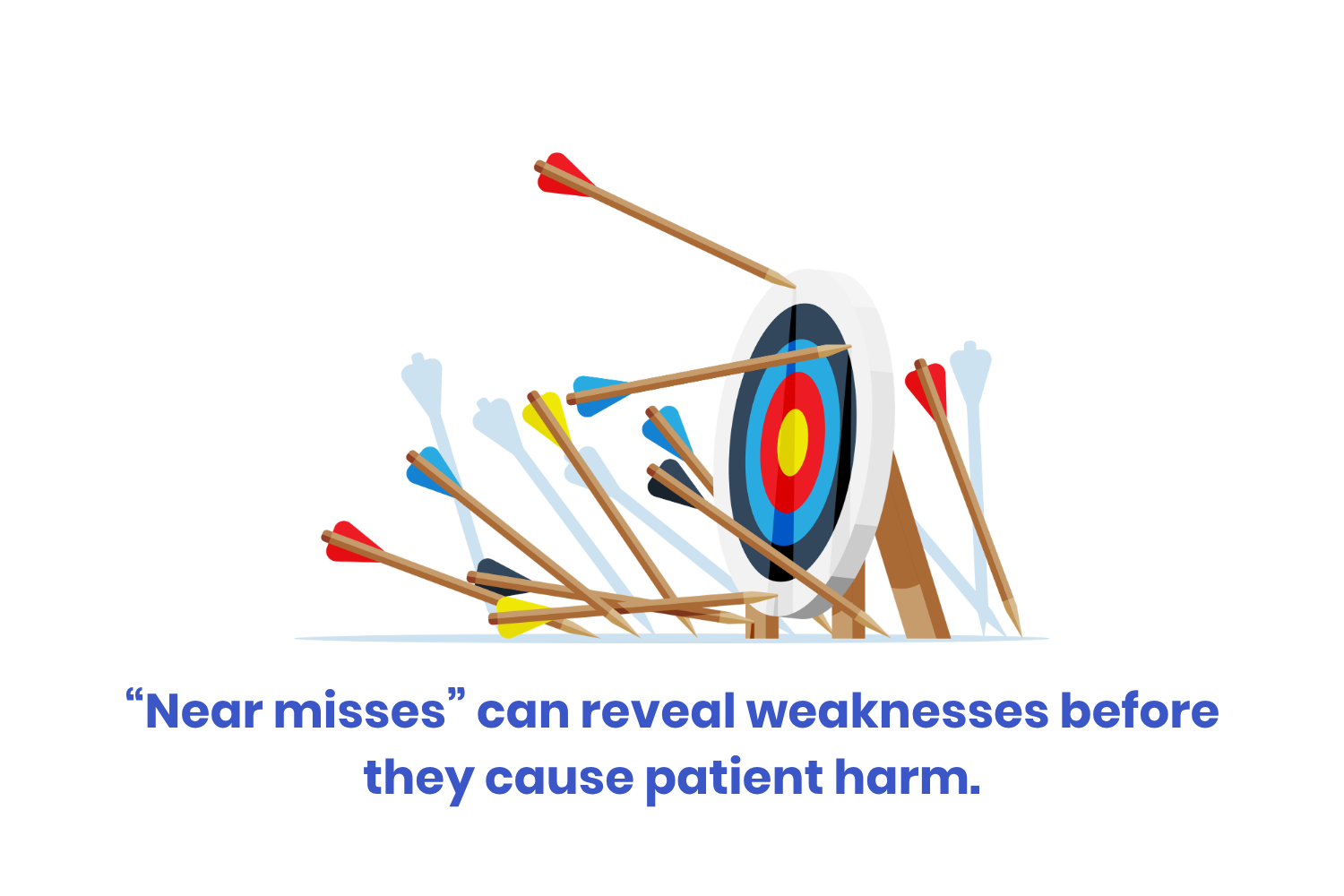
Near misses can reveal weaknesses before they cause patient harm.
Hospitals should make it easy for employees to report incidents and concerns. This gives healthcare risk managers more information to identify patterns and potential problems.
A strong reporting culture also supports risk prevention. Employees can help identify problems before they become larger issues.
4. Analyze Incidents and Identify Root Causes
Focus on system-level improvements rather than simply assigning blame.
When an adverse event occurs, healthcare organizations should look at what caused it. This may include problems with communication, staffing, technology, training, or workflow.
Understanding the root cause allows the organization to create a corrective action plan.
The goal is to address the underlying problem and prevent risks from causing the same event again. Not to just point fingers.
5. Monitor Risk Indicators
Use data to identify trends and emerging problems.
Hospitals can monitor all kinds of information. We are talking about incident reports, complaints, and other safety indicators.
This can help teams identify a potential risk before it becomes a serious problem.
Tracking these indicators also supports quality management and quality improvement. Organizations can see if risk controls are working and where they need more.
6. Communicate Risk Across Departments
Break down departmental silos.
Risks can affect more than one area of a healthcare organization. A technology issue can disrupt a clinical workflow. A staffing issue can affect patient safety. A compliance problem can create financial and legal exposure.
This is why healthcare team communication is so important.
An integrated risk management approach helps teams share information. As well as understand how risks connect across departments. It also gives leadership a broader view of risk. Specifically, across hospital systems and healthcare facilities.
7. Continuously Review and Improve Controls
Risk management requires ongoing attention.
Hospitals should regularly review their policies, procedures, and controls. They should also determine whether those controls actually reduce the risk.
New technology, regulations, workflows, and threats can create new risks. Regular reviews allow organizations to update their risk management practices as needed. They also help you take action when existing controls are no longer enough.
This continuous approach helps support effective risk management. It also allows healthcare organizations to improve patient safety over time.
Using FAIR for Proactive Risk Management in Healthcare
Identifying risk is only one part of the process. Healthcare organizations also need to understand which risks could have the greatest impact.
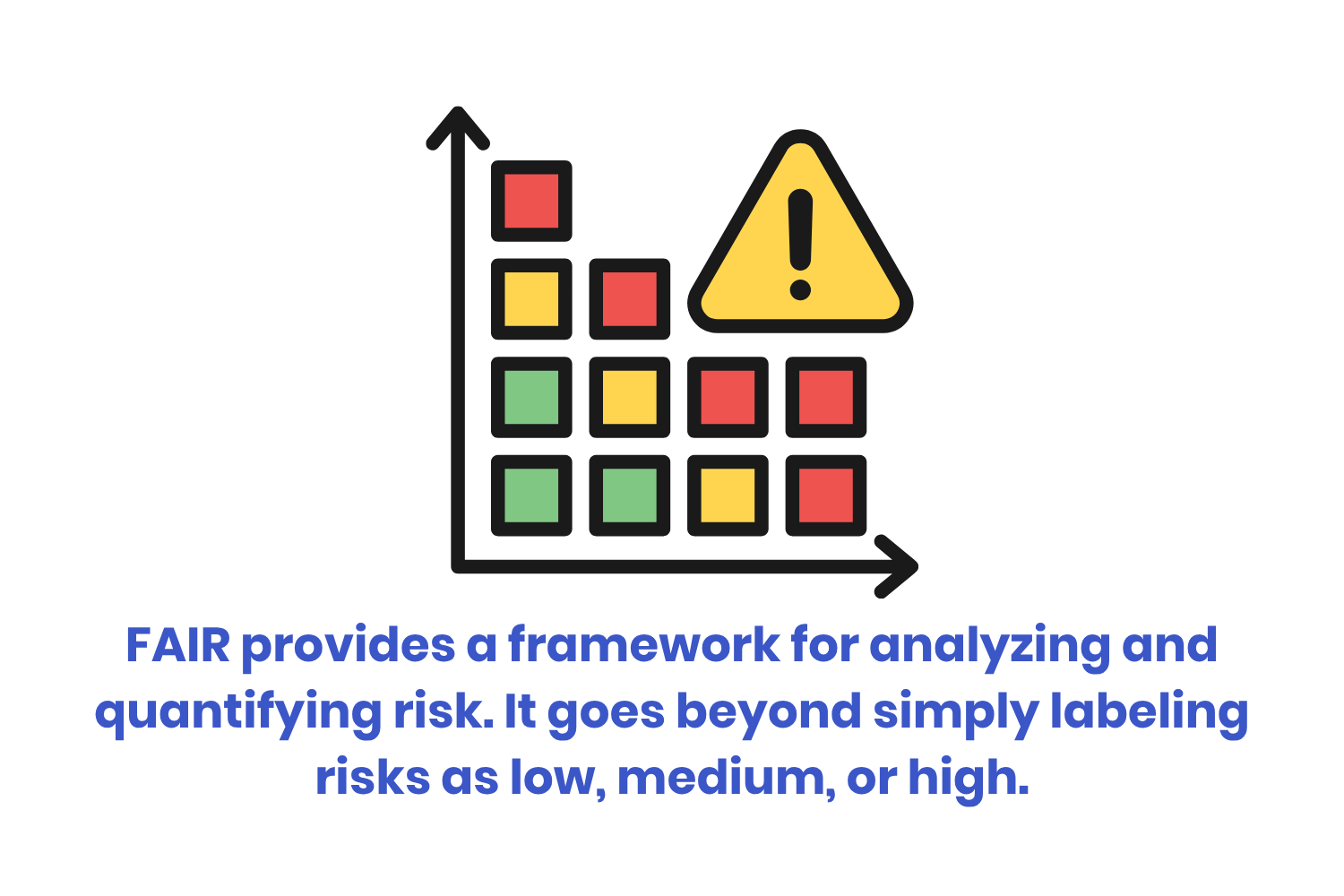
Factor Analysis of Information Risk (FAIR) provides a framework for analyzing and quantifying risk. It can help organizations move beyond simply labeling risks as low, medium, or high.
For example, a hospital could use FAIR to examine the potential impact of:
Companies no longer simply state that an event presents a high level of risk. Everyone's idea of "high" risk might look a little different, after all. By utilizing FAIR, you can help estimate a risk's potential frequency and impact. This can give leaders a clearer picture of their risk exposure. It can also help them decide where resources should be invested.
K2 GRC can help organizations take this approach further. Giving teams a centralized way to document and manage risk. Helping businesses make more informed decisions about risk mitigation.
FAIR can support a proactive approach to risk management. Rather than waiting for an incident to happen, organizations can identify areas of concern quickly. Helping to determine how they might mitigate risks before resulting in significant losses.
For hospitals, this can make risk decisions easier to understand and communicate.
How Healthcare Teams Can Build a Stronger Risk Management Program
Successful healthcare risk management requires more than one department. It requires participation from the entire healthcare team.
Employees may all see and experience different risks. Their input can help healthcare organizations identify problems that may otherwise go unnoticed.
A strong risk management program should give you a clear way to report concerns. It should also define who is responsible for reviewing those concerns. Also, who handles taking the appropriate action.
Healthcare organizations should use the following items to help identify risks:
Incident reports.
Patient data and surveys.
Audits
Healthcare Failure Mode and Effect Analysis.
When teams work together, they can better improve workflows and prevent risks.
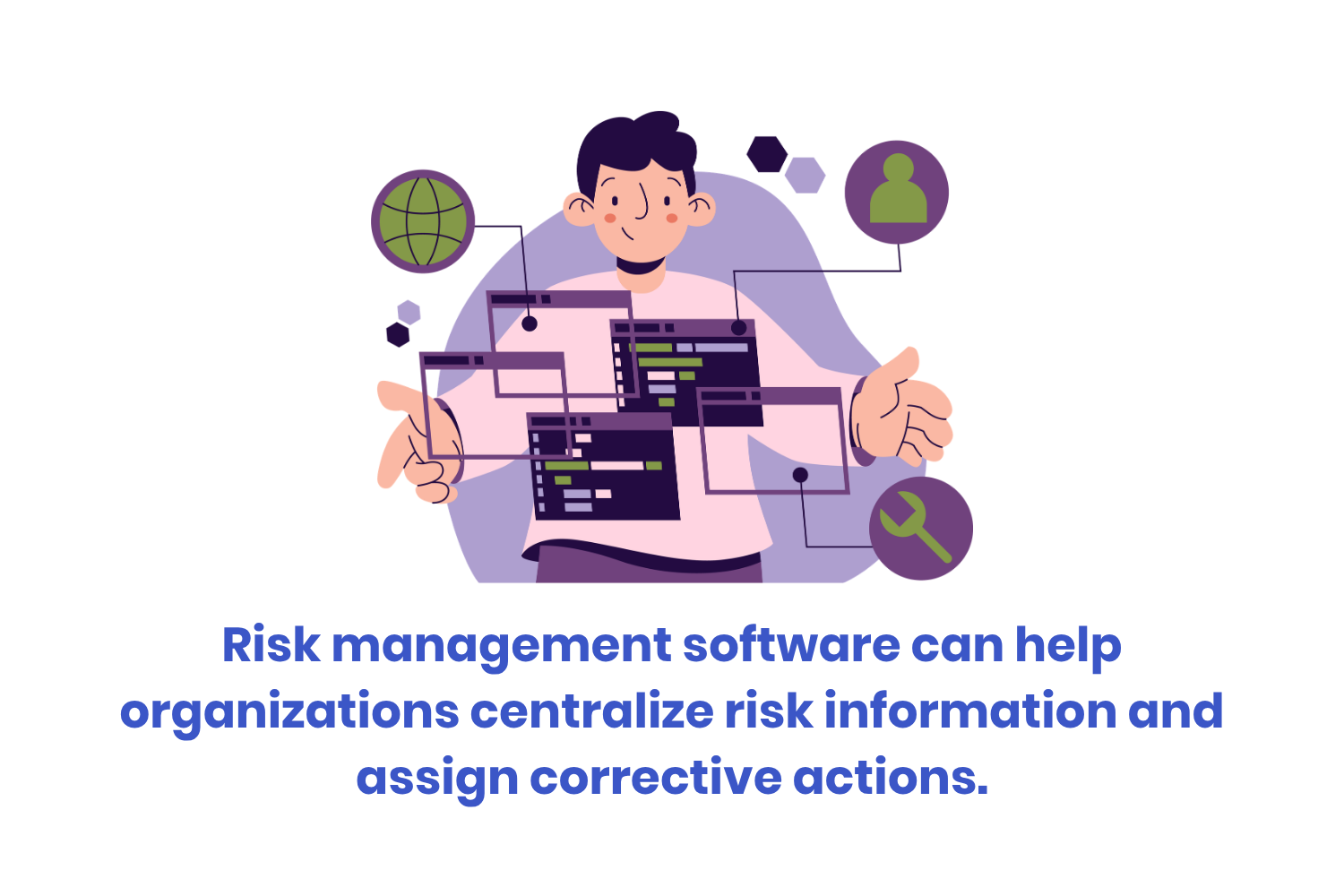
Technology can support this process as well. Risk management software can help organizations centralize risk information and assign corrective actions. They can also assist in tracking progress, and monitoring risk across all departments.
The goal is not to eliminate every risk. That is not realistic. The goal is to understand the risks, prioritize them, and take action to reduce liability. Protecting patients means supporting better outcomes. For both your business and your clients.
❓ Frequently Asked Questions About Risk Management in Healthcare
What is risk management in healthcare?
Risk management in healthcare is the process of identifying, assessing, monitoring, and addressing risks that could affect patients, employees, operations, or the organization. It combines clinical and administrative processes to reduce the likelihood and potential impact of adverse events.
Why is risk management important in healthcare?
Risk management in healthcare helps organizations improve patient safety, reduce compliance exposure, and prevent operational and financial losses. A proactive approach allows healthcare teams to identify potential problems and implement controls before they result in serious incidents.
What are the most common risks in healthcare organizations?
Common healthcare risks include medication errors, patient falls, infections, equipment failures, data breaches, staffing issues, communication problems, regulatory violations, and system outages. These risks can affect patient care as well as a healthcare organization's operational, financial, and regulatory performance.
What are the steps in the healthcare risk management process?
The healthcare risk management process typically involves identifying potential risks, assessing their likelihood and impact, implementing controls, and monitoring whether those controls are effective. Organizations should continuously review this process as technology, regulations, workflows, and threats change.
How can hospitals improve their risk management programs?
Hospitals can improve risk management by establishing a formal framework, conducting regular risk assessments, encouraging incident and near-miss reporting, analyzing root causes, and monitoring risk indicators. Effective risk management in healthcare also requires communication across departments so clinical, operational, compliance, and technology risks are not managed in isolation.
How does healthcare compliance relate to risk management?
Healthcare compliance is an important part of risk management because regulatory gaps can create financial, legal, operational, and patient safety risks. Integrating compliance into a broader risk management program helps organizations identify issues such as privacy violations, poor documentation, and failures to follow required procedures before they become larger problems.
How can FAIR improve risk management in healthcare?
FAIR helps healthcare organizations quantify risk by evaluating factors such as the potential frequency and financial impact of an event. Instead of relying only on labels like low, medium, or high risk, healthcare leaders can use FAIR to better prioritize risks such as ransomware attacks, data breaches, system outages, and third-party incidents.
Risk management in healthcare helps organizations identify, assess, and reduce risks that can impact patient safety, compliance, operations, and finances. Learn practical strategies for building a proactive risk management program and prioritizing the risks that matter most.
The EU AI Act is reshaping how businesses build and use AI. Learn what the law requires, who it applies to, and how to prepare your organization for compliance.